














Dhindsa, Sandeep, et al. “Association of Male Hypogonadism with Risk of Hospitalization for COVID-19.” JAMA Network Open, vol. 5, no. 9, 2022, e2229747. https://doi.org/10.1001/jamanetworkopen.2022.29747
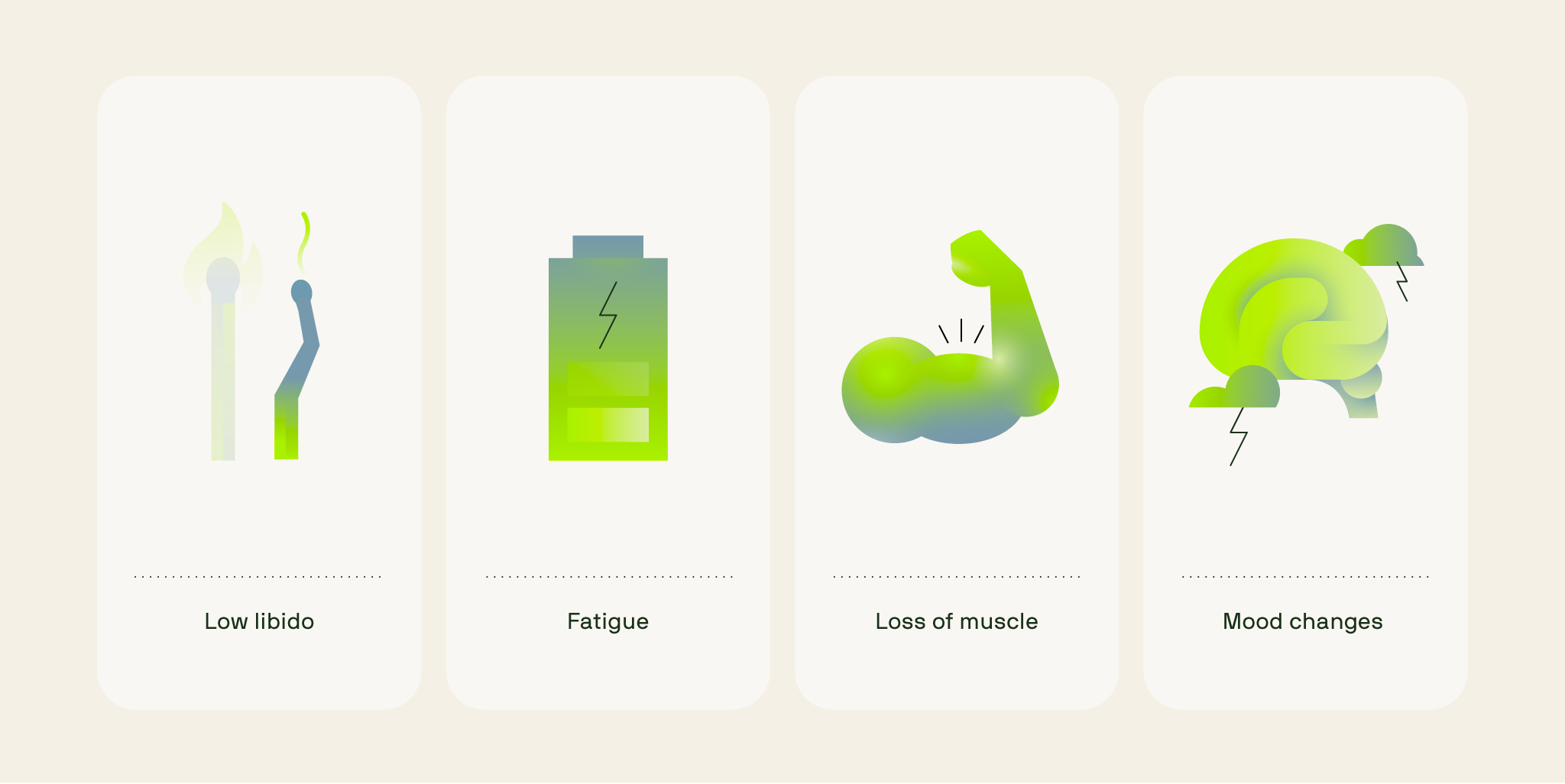
If your energy has tanked, your erections aren’t what they used to be, or you’re gaining belly fat no matter how hard you train, low testosterone could be the missing link. Low sex drive, fatigue, mood changes and poor sleep are among the most common symptoms of low testosterone in men, though some may also be caused by stress, diet or other hormones.
Because symptoms often develop gradually and overlap with stress or lifestyle issues, many men dismiss them for years before seeking help. This is a key reason why so many men wait years to get help for low T, even when their quality of life is affected. Many men also find these changes affect their confidence and body image, making it even harder to seek support.
Our blood test helps rule out low testosterone so you can find the root cause.
Testosterone fuels strength, libido and confidence, so when levels dip too low, the impact shows up everywhere: in the bedroom, in the gym, and even in your mood.
Here’s what low testosterone is, the most common signs to watch for, and how to tackle it.
Key takeaways
- Testosterone touches nearly every part of male health, so the symptoms can be sexual, physical and psychological.
- Testosterone particularly impacts your sex drive, motivation and stamina.
- Some signs of low T include low libido, weaker morning erections, low energy and increased belly fat. It can also show up as low mood, irritability or brain fog.
- Low T can affect men at any age, not just older men.
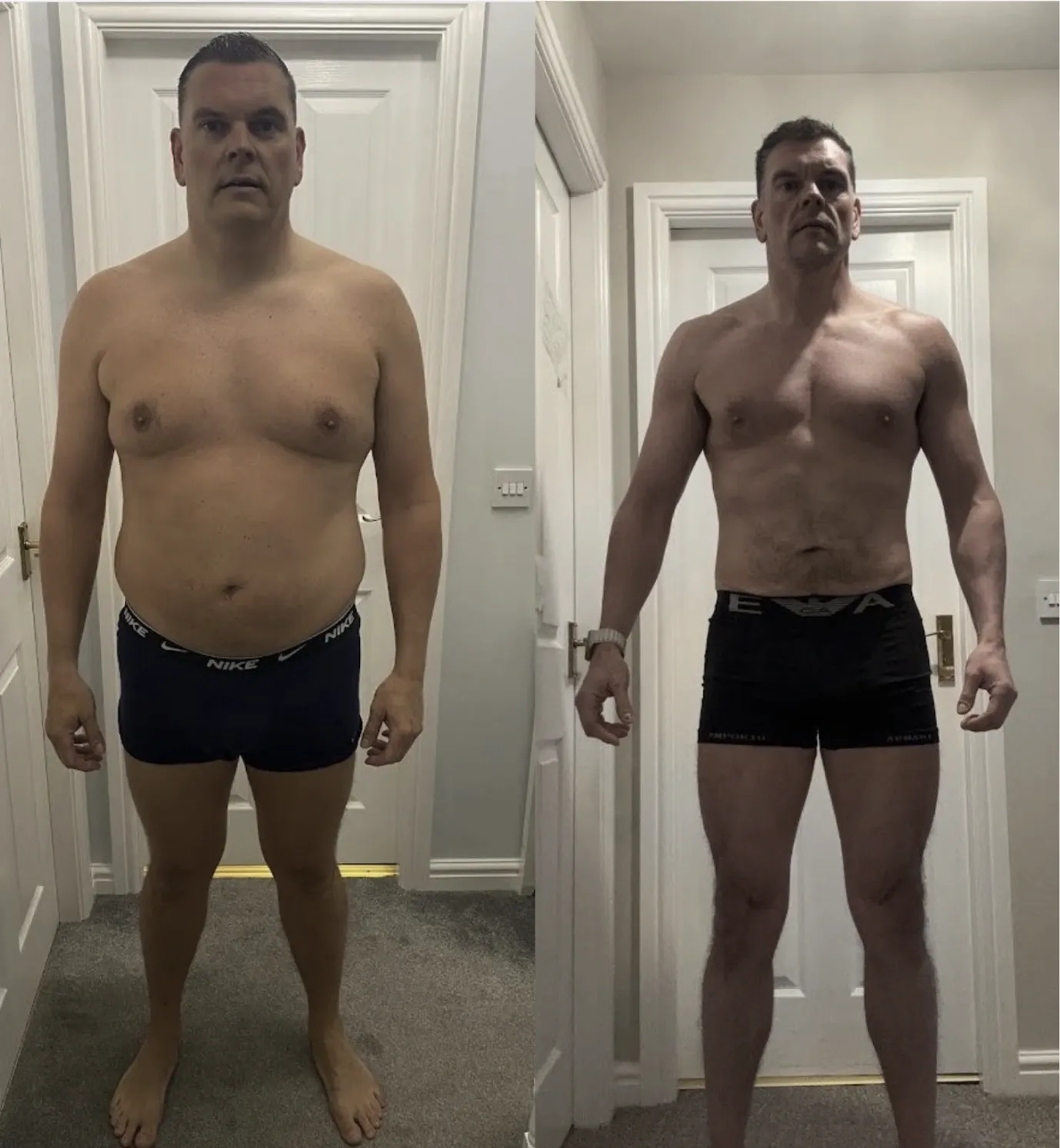
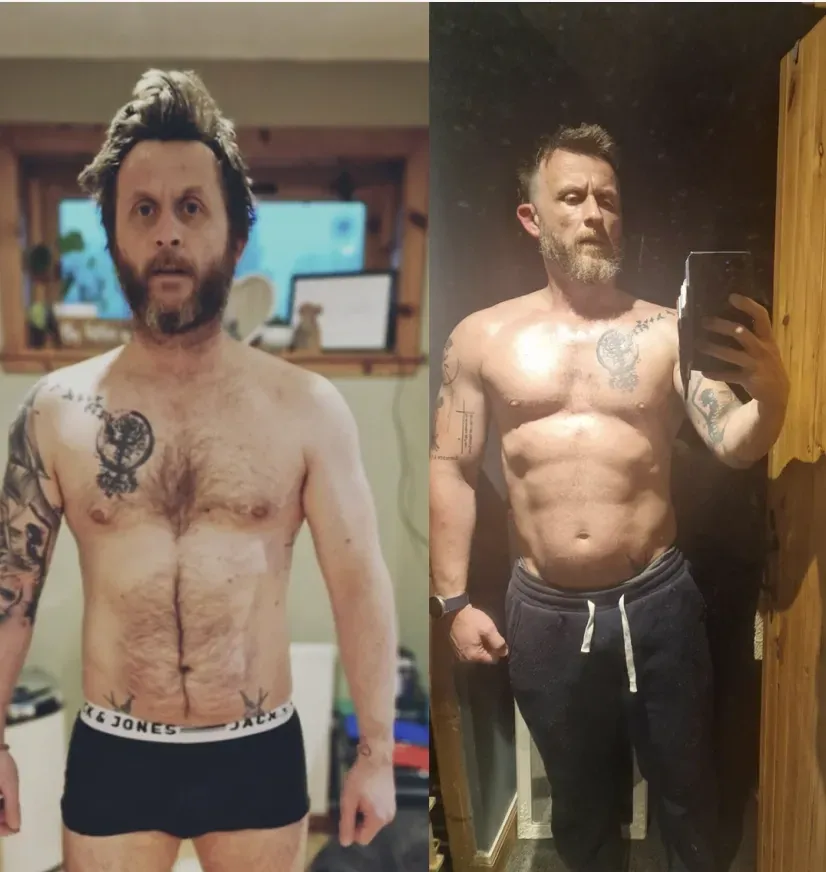
- You don’t have to put up with low T symptoms. See TRT before and after stories from men who've been where you are.
What is testosterone?
Testosterone is the primary male sex hormone. Men produce most of it in the testicles, with smaller amounts from the adrenal glands above your kidneys. A control circuit in your brain (the hypothalamus and pituitary gland) keeps levels steady.
In many parts of the body, testosterone also converts into dihydrotestosterone (DHT) or oestradiol (the most active form of the main female sex-hormone, oestrogen), which can explain its wide-ranging effects on everything from sexual function to mood, bone strength and hair growth.
Note: Women make much smaller amounts of testosterone in the ovaries and adrenals, but this page focuses on men.
What testosterone does for men?
When levels are healthy, testosterone powers your day-to-day performance, impacting many different body parts:
- Brain: boosts sex drive, motivation, clear thinking, memory and stable mood.
- Sexual and reproductive: supports sex organ growth, sperm production, erections, and overall sexual function.
- Heart and circulation: helps your heart pump efficiently and supports healthy blood flow.
- Kidneys and blood: boosts red blood cell production, improving stamina.
- Skin: supports collagen, hair growth and natural skin oils.
- Muscle and bone: builds strength, preserves muscle and maintains bone density.
A stronger, sharper you
Get your energy, drive and strength back, with clinically-proven testosterone medication prescribed by expert clinicians.
Gold-standard medication
Expert clinical team
Ongoing monitoring
All-inclusive subscription
What are the symptoms of low testosterone?
So how do you know if your levels are low? Testosterone touches nearly every part of male health, so the symptoms can be sexual, physical and psychological. Some are obvious, others are easy to miss. If you’ve noticed any of these, it’s worth exploring whether low T (sometimes called "the male menopause") could be the cause.
Symptom
Approx. prevalence in men with low T*
Lower sex drive
50–70%
Fewer/weaker morning erections
40–70%
Erectile dysfunction
40–60%
Persistent fatigue/low energy
50–65%
Loss of muscle/strength
40–60%
Increased belly fat/weight gain
40–60%
Low mood/irritability
20–40%
“Brain fog”/poorer focus
20–40%
Hot flushes/sweats
5–20%
Smaller testes/fertility issues
10–30%
Gynaecomastia (breast tissue)
5–10%
Reduced bone density (longer term)
10–30%
*These ranges come from different large studies in men seen in GP clinics and specialist centres. Exact numbers vary depending on how “low T” is defined and whether doctors only count men who have both low test results and symptoms. Sexual symptoms, like low sex drive, fewer morning erections, or erectile problems, are generally the clearest warning signs for low testosterone.
Sources: BSSM guidance, HIM primary-care cohort, community ADAM screening study, and a JAMA Network Open testing cohort.
Low sex drive in men
Low sex drive, or low libido, is one of the most common and most reported symptoms of testosterone deficiency, affecting an estimated 50-70% of men with confirmed low T.
Research consistently supports the link: testosterone acts as a physiological stimulator of sex drive in men, and there is a statistically significant relationship between testosterone levels and libido. When levels fall, sex drive falls with them.
Erectile dysfunction
Erectile dysfunction and low sex drive are different, though both can occur together. Men with purely physical ED still want sex but struggle to get an erection. Men with low libido lose the desire itself, so erection problems follow as a consequence of not being aroused in the first place.
Low testosterone contributes to ED in two ways: it reduces sexual arousal and it reduces the frequency, rigidity and duration of erections independently of arousal. This is why TRT often improves ED even when medications like sildenafil or tadalafil have had limited effect, as those drugs improve blood flow but do not address the hormonal cause.
Fatigue and low energy
Men with low testosterone often feel constantly drained, a persistent lack of energy that doesn't improve with sleep or a rest day. It can also show up as post-meal fatigue. Studies suggest around 77% of men with low testosterone experience unusual drowsiness after eating, though the link is not fully understood. Theories include already-low energy levels making the normal post-meal dip feel more pronounced, and insulin resistance impairing glucose uptake after meals, since testosterone promotes glucose uptake in response to insulin.
Loss of muscle and strength
Testosterone supports muscle building and recovery. When it dips, training results stall, lifts feel heavier, and many men may notice they’re losing size or strength even if they still train.
Increased body fat and weight gain
Fat, especially around the waist, creeps up more easily. Extra fat then pushes testosterone lower, which is why many men feel stuck in a loop until the hormone issue is addressed.
Reduced facial and body hair growth
Beard or body hair can thin with low T. Genetics still matter, so lack of chest hair on its own is not a reliable marker.
Night sweats and hot flushes
Night sweats and hot flushes are a recognised but often overlooked symptom of low testosterone in men. Low testosterone can disrupt the hypothalamus, the part of the brain that controls body temperature, causing it to incorrectly signal that the body is overheating. The result is episodes of heavy sweating during sleep or sudden waves of heat, working the same way as hot flushes in the menopause.
Other common symptoms of low testosterone in men include:
- Fertility issues due to reduced sperm count
- Shrinking testicles
- Gynaecomastia (“man boobs”)
- Low mood, irritability, or depression
- Difficulty concentrating (“brain fog”)
- Poor sleep quality
- Reduced bone density, increasing fracture risk
Could something else be causing your symptoms?
Low testosterone shares its symptoms with several other common conditions, and that overlap can make it genuinely difficult to know what is going on without testing.
Fatigue, low mood, reduced sex drive and poor concentration are also closely linked to stress, depression, anxiety and alcohol use. Sometimes these lifestyle and psychological factors are the primary driver, sometimes low testosterone is the cause, and often it is a combination of both.
The only reliable way to tell the difference is a blood test. At Voy, getting tested for low T is simple. Order a quick, at-home finger-prick blood test. Our clinicians will then confirm if your testosterone is low and whether TRT is right for you - without GP delays or waiting rooms.
Feeling drained and unfocused?
It might be low testosterone. Get answers fast with an at-home blood test.
What counts as “low testosterone” in men?
Spotting the signs is one thing, but confirming the diagnosis takes proper testing. A “low testosterone” diagnosis requires two early-morning blood tests on different days because testosterone peaks in the morning.
Clinicians first measure total testosterone. If that result is borderline, free testosterone and related hormones are checked to understand the cause.
The numbers your clinician uses
- If you have symptoms and your total testosterone is below about 12 nmol/L, or your free testosterone is below 0.225 nmol/L (225 pmol/L) on two morning tests, you usually meet criteria for treatment under UK specialist guidance.
- If your total testosterone sits in the “grey zone” (8–14 nmol/L), or if you have other risk factors such as type 2 diabetes, your clinician will check free testosterone and review your symptoms. If everything points to low T, they may suggest a monitored 6 month trial of treatment.
- In rare cases, patients may be considered suitable for treatment based on recommendations from the Lisbon conference. This will be on an individual basis.
- Once on treatment, UK specialist guidance aims for a total testosterone (TT) of 15–30 nmol/L to optimise symptom relief.
Want to learn more about low testosterone and TRT?
Sign up to our monthly newsletter on all things testosterone. Written by clinicians, delivered straight to your inbox.
By entering I agree to the Terms and Conditions.
How common is low testosterone and who does it affect?
Low testosterone impacts around one in four men, and it can occur at any age. Although your testosterone naturally drops ~1% per year after 30, gradual age-related decline isn’t the same as a true deficiency that affects energy, sex drive, muscle, mood and performance.
Some conditions or medications put you at greater risk of low T, such as:
- Getting older
- Obesity or type 2 diabetes
- Chronic illness (for example chronic kidney disease)
- Testicular injury, surgery, or infection
- Long-term opioids, some antipsychotics, or anabolic steroid use
- Post-viral problems, including after COVID-19
Can young men get low testosterone?
Yes. Low testosterone is less common in younger men but it does occur and often goes undiagnosed. Younger men tend to present differently to older men: low energy and reduced strength are more common symptoms than low libido or erectile dysfunction, which is why it frequently gets mistaken for depression or anxiety.
Causes in younger men include obesity, excessive alcohol use, testicular injury, pituitary disease, cancer treatment and genetic conditions such as Klinefelter syndrome. Never assume you are too young to have low testosterone. If you recognise the symptoms, a blood test is the only way to know.
What are the risks of untreated low testosterone?
Leaving low testosterone unchecked doesn’t just impact your sex life. Over time, untreated testosterone deficiency is linked to:
- Reduced bone density and osteoporosis
- Higher rates of insulin resistance, metabolic syndrome and type 2 diabetes
- Adverse cardiovascular risk markers and poorer cardiometabolic outcomes
- Mood disorders, depression and a lower quality of life
- Possible risk of dementia
Low testosterone can also drive weight gain, which makes things worse. Fat tissue converts testosterone into oestrogen, which signals the brain to produce even less testosterone. It becomes a cycle that is hard to break without treating the hormonal cause.
Low testosterone treatment options
The good news: if your tests confirm testosterone deficiency, you don’t have to just “live with it”. Before considering medication, we recommend optimizing sleep, diet, and alcohol intake, as these heavily influence testosterone levels. If your symptoms persist despite optimising your lifestyle, testosterone replacement therapy (TRT) can help. What is TRT? It's a proven treatment that helps restore healthy testosterone levels to get men back to feeling their best, though it’s important to be aware of potential side effects.
With the right plan, most men regain their vitality, sex drive and energy.
Get started with TRT today
If you’re wondering whether low testosterone is holding you back, now’s the time to take action. With Voy’s expert medical team, you can get tested, diagnosed, and treated - without GP delays or waiting rooms.
Take our short quiz to see if TRT could be the right fit for you.