











Relief starts here. Book an appointment with a PMDD and hormone specialist today.

Understanding PMDD: It’s more than PMS
PMDD (Premenstrual Dysphoric Disorder) isn’t the same as PMS (Premenstrual Syndrome). It involves severe mood changes that disrupt daily life and relationships; such as: deep sadness, irritability, hopelessness and emotional withdrawal.
Our approach to care for PMDD & menopause
- 1
Start with an appointment
45 minutes with a doctor to discuss symptoms, hormone history and emotional patterns.
- 2
Clinical assessment
Your clinician analyses whether hormone stabilisation with HRT is suitable, and then explain your treatment options.
- 3
Your personalised plan
You’ll create a personalised plan together. This could include options like HRT, CBT, nutrition support and supplements alongside ongoing support via WhatApp and check-ins.
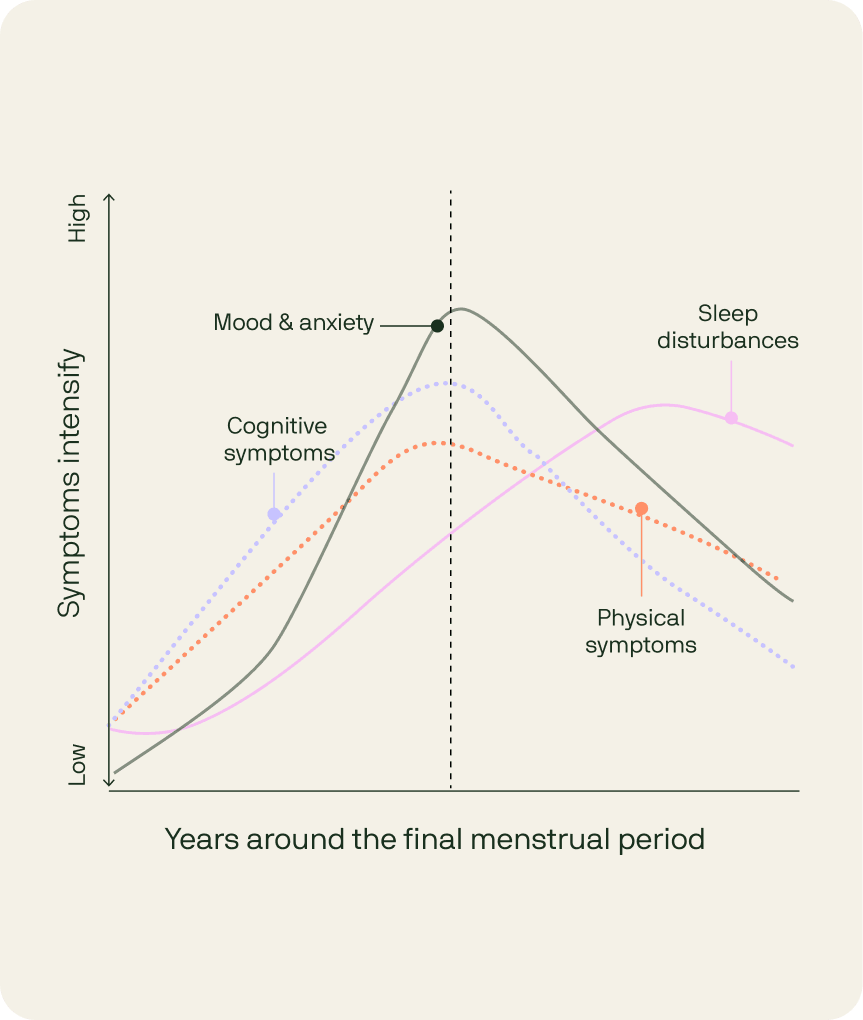
How PMDD changes during menopause
During perimenopause, fluctuating oestrogen and progesterone can trigger sharper hormonal swings, intensifying PMDD symptoms.
Mood changes, fatigue and sleep issues often become less predictable during this time, with some women experiencing PMDD-like patterns for the first time in midlife.
of women in perimenopause experience severe PMS or PMDD-type symptoms. This demonstrates that hormonal shifts in midlife can intensify premenstrual mood changes.


Does this sound like you in the two weeks before your period?
Here are some of the key symptoms to watch out for when PMDD overlaps with, or is affected by, the transition into menopause (and/or perimenopause).




Book to speak with one of our specialists online.

“ I’ve had women cry with relief when they finally meet someone who gets it — who recognises the exhaustion, the self-doubt and the fear that something deeper is wrong. That’s what drives me: helping women make sense of what’s happening to their bodies and minds, giving them back a sense of control and showing them that they can feel like themselves again.”

“I’ve seen patients of every age struggle with the impact of hormones on their wellbeing. I’m passionate about supporting all women, and especially those living with PMDD, who often experience some of the most severe and life-disrupting symptoms. Improving women’s health has become my mission. I love to witness my patients’ journeys when they master their health.”
Treatment options for PMDD
Science-backed and safely prescribed by our doctors.
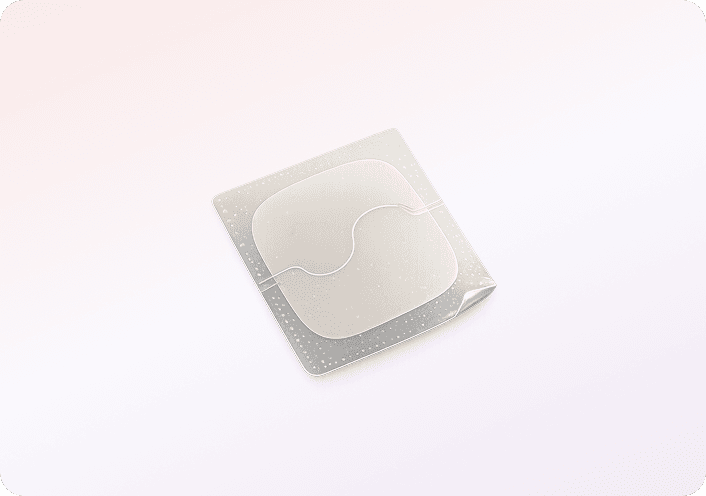
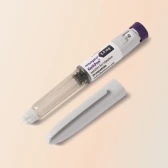
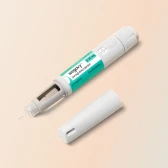
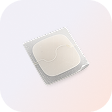
The most effective treatment for PMDD in perimenopause and menopause.

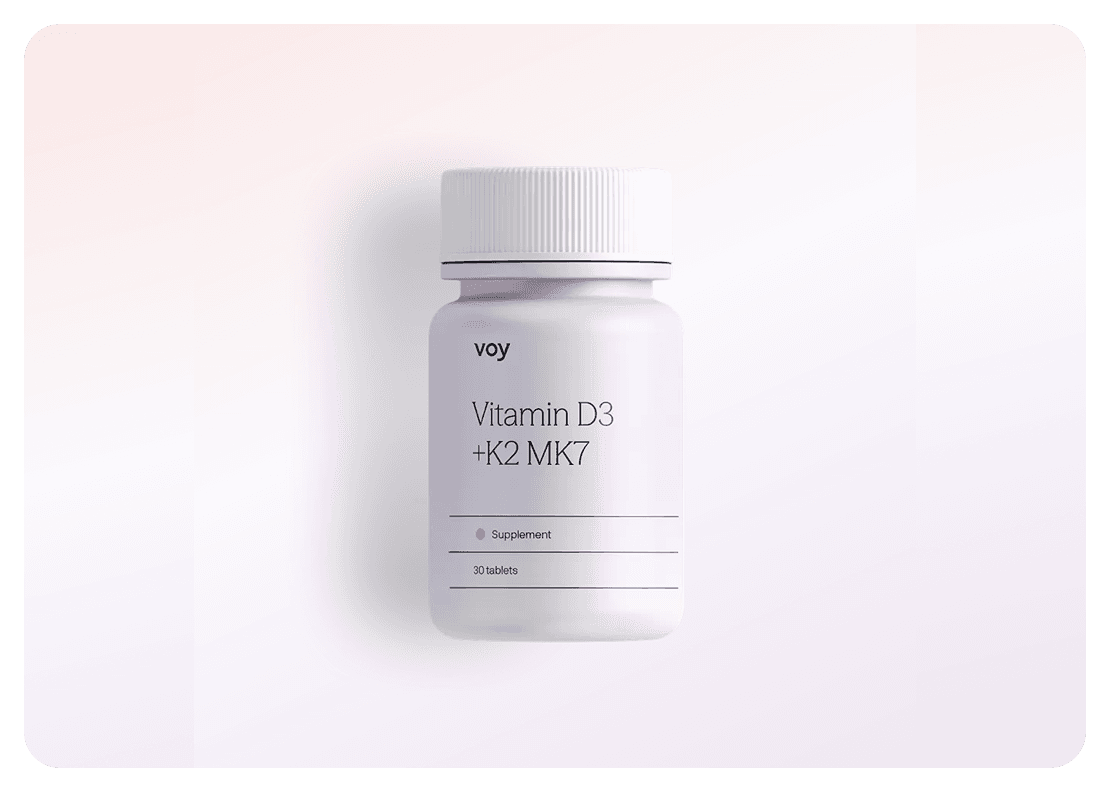
Recommended treatment (after stabilising your hormones)

"PMDD treatment is not usually the contraceptive pill. The pill often contains synthetic hormones that can worsen symptoms for some women."

Related articles

.png&w=3840&q=75)
.png&w=3840&q=75)
